Newsletter Subscribe
Enter your email address below and subscribe to our newsletter
Enter your email address below and subscribe to our newsletter

 ByJohn A
Shopping habits have changed significantly in recent years as more people focus on reducing waste and making environmentally responsible choices. One of the biggest changes in everyday shopping is the growing use of reusable bags instead of disposable plastic bags. Consumers are now looking for practical and eco friendly alternatives that help reduce pollution while offering better durability and convenience.
Reusable grocery bags are becoming increasingly popular because they are designed for long term use and help minimize the environmental impact caused by single use plastics. Many shoppers now prefer stronger, washable, and reusable options that support sustainable living without sacrificing functionality.
People searching for durable reusable grocery tote bags often look for products that combine convenience, sustainability, and everyday usability.
Environmental concerns have encouraged consumers to rethink daily shopping habits. Disposable plastic bags contribute heavily to pollution, landfill waste, and environmental damage. As awareness increases, more people are choosing reusable products that help reduce unnecessary waste.
Reusable shopping bags offer a practical solution because they can be used repeatedly for grocery trips, shopping errands, and everyday transportation needs.
Plastic bags are widely used because they are inexpensive and convenient, but they also create major environmental challenges.
Some common concerns include:
These issues have encouraged consumers to adopt reusable alternatives for daily shopping activities.
Sustainable living has become more important for households looking to reduce environmental impact.
Many consumers now prioritize:
Reusable shopping bags fit naturally into these environmentally conscious lifestyles.
Reusable tote bags provide several advantages compared to disposable plastic bags.
Reusable bags are designed to carry heavier items without tearing easily.
Benefits include:
Durable bags are especially useful for grocery shopping, farmers markets, and daily errands.
Although reusable bags may have a higher initial cost, they often save money over time because they last much longer than disposable options.
Frequent shoppers benefit from:
Reusable bags become more economical with repeated use.
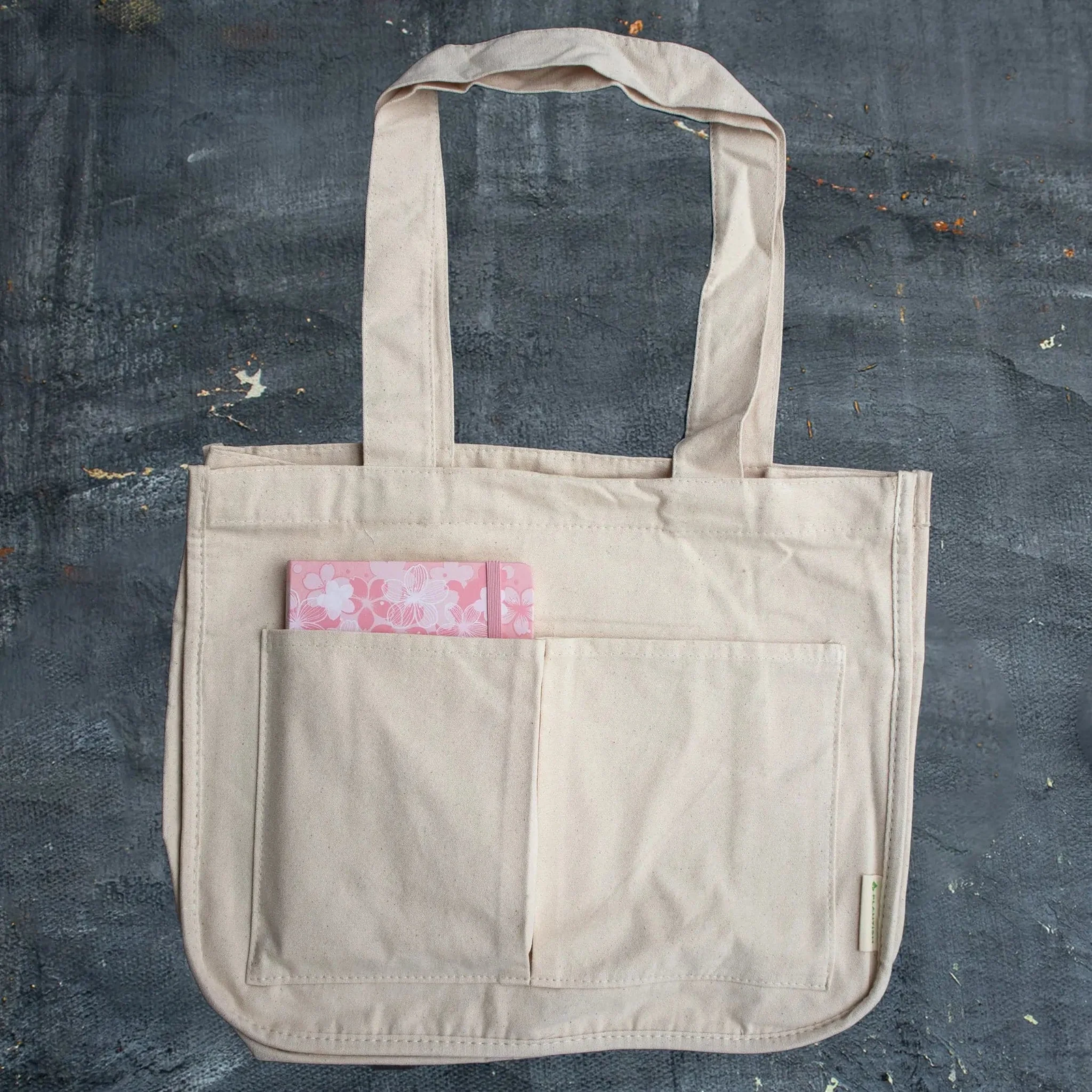
Many reusable tote bags are designed for convenience and portability.
Features often include:
These features make reusable bags practical for regular shopping trips.
In addition to larger tote bags, consumers are also choosing reusable produce bags for fruits and vegetables.
People searching for produce bags often want a cleaner and more sustainable alternative to disposable produce packaging.
Reusable produce bags help shoppers organize groceries while reducing plastic waste.
Advantages include:
These bags are commonly used for fruits, vegetables, nuts, and bulk food shopping.
Many reusable produce bags are made from cotton or mesh materials that allow ventilation while remaining lightweight.
Shoppers searching for mesh produce bags often prefer breathable materials that help keep produce fresh during transport and storage.
Cotton based materials also support environmentally friendly shopping practices.
Not all reusable shopping bags provide the same level of quality and convenience. Shoppers should compare important features before purchasing.
Durable materials improve long term performance and reliability.
Popular materials include:
Consumers looking for cotton produce bags often prioritize natural materials that are washable and reusable.
Large capacity bags help shoppers carry more items efficiently.
Good reusable bags should provide:
These features improve overall usability during grocery shopping.
Reusable bags should be easy to clean regularly.
Washable bags help:
Easy maintenance makes reusable bags more practical for daily use.
Reusable shopping products support broader environmental goals and encourage responsible consumer behavior.
Using reusable bags consistently can significantly reduce dependence on disposable plastics.
Long term benefits include:
Even small changes in shopping habits can contribute to long term environmental improvements.
Consumers increasingly prefer products that align with sustainable values.
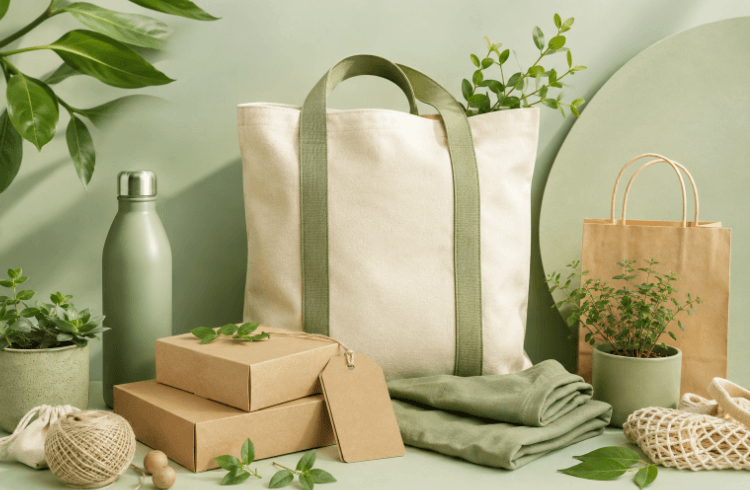
Reusable bags work well alongside other eco friendly household products such as:
Many households now view reusable products as essential parts of daily life.
Choosing the right reusable bags can improve long term satisfaction and usability.
Very low cost bags may wear out quickly and require frequent replacement.
Consumers should focus on:
Higher quality products usually provide better long term value.
Different bags serve different shopping needs.
Shoppers should consider:
Choosing the right size improves convenience and usability.
Reusable bags should be cleaned regularly to maintain hygiene and freshness.
Proper maintenance helps extend product lifespan and improve overall cleanliness.
Consumers are becoming more aware of environmental issues and are actively searching for practical ways to reduce waste.
Reusable shopping products continue growing in popularity because they offer:
People interested in reusable grocery produce bags often see reusable products as an easy step toward more responsible shopping habits.
Reusable grocery tote bags are becoming an essential part of sustainable shopping because they help reduce plastic waste while offering durability, convenience, and long term value. As more consumers prioritize environmentally responsible lifestyles, reusable bags continue replacing disposable alternatives in everyday shopping routines.
Products such as reusable tote bags, cotton produce bags, and mesh produce bags provide practical solutions for reducing waste while improving shopping organization and convenience. Choosing durable materials, proper sizing, and washable designs can help shoppers get the best long term performance from reusable bags.
By adopting reusable shopping products consistently, consumers can support cleaner environments, reduce unnecessary waste, and build more sustainable daily habits.