
A dent or ding can make an otherwise well-maintained vehicle look older than it really is. Whether it comes from a parking lot incident, a stray shopping cart, or a sudden hailstorm, even a small dent can be frustrating. Many vehicle owners assume that repairing body damage automatically means leaving the car at a traditional body shop for several days. However, that is not always necessary.
Mobile Paintless dent repair offers a convenient alternative for many types of minor vehicle damage. Instead of taking your vehicle to a repair facility, a trained technician can come to your home, workplace, or another suitable location. The repair process focuses on carefully restoring the damaged panel while keeping the original factory paint intact.
Knowing when this repair method is appropriate can help vehicle owners make a smarter decision. From minor door dings to certain hail dents, there are several situations where mobile service can save time without compromising the appearance of the vehicle.
What Is Mobile Paintless Dent Repair?
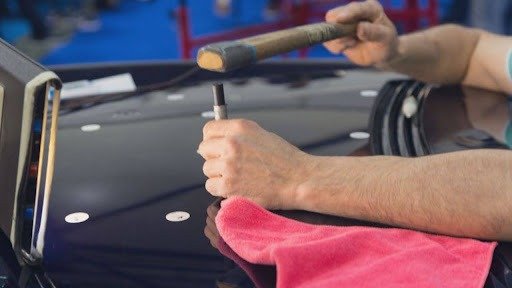
Mobile Paintless dent repair is a specialized technique used to remove certain dents without sanding, filling, or repainting the affected panel. A technician uses specialized tools to access the back of the damaged area and gradually massage the metal back into its original position.
The mobile aspect means the technician travels to the vehicle rather than requiring the owner to visit a repair shop. This can be especially helpful for busy people who cannot easily leave their vehicle at a repair facility.
For example, imagine finding a small dent on your driver’s door after returning from a shopping trip. If the paint is still intact and the metal has not been severely stretched, a technician may be able to repair the damage at your home or workplace.
Because the original paint is preserved, the finished repair can maintain the vehicle’s factory appearance.
See also: Property Technology (PropTech) Explained
When Is Mobile Paintless Dent Repair a Good Choice?
Mobile Paintless dent repair is generally most suitable for dents where the original paint remains intact and the metal has not been severely damaged. The size, depth, location, and shape of the dent all influence whether the technique is appropriate.
Small door dings, shallow dents, and many hail-related dents can often be good candidates. A technician will normally inspect the damaged area before recommending a repair method.
For instance, a shallow dent in a vehicle door caused by another car door may be repaired without traditional bodywork. Similarly, several small hail dents across the hood or roof may be suitable for paintless repair if the paint surface has not cracked.
However, not every dent can be repaired this way. Deep creases, extensive paint damage, or severely stretched metal may require conventional collision repair. Getting a professional assessment is therefore important before choosing a repair method.
Why Original Paint Matters
One of the biggest advantages of paintless dent repair is the ability to preserve the vehicle’s original factory paint. Modern factory finishes are designed to provide durability and consistency, so keeping that finish can be valuable when repairing minor damage.
During a traditional repair, a damaged panel may need sanding, filling, priming, and repainting. With paintless techniques, the technician instead works carefully from behind the panel to restore its shape.
This can be particularly useful for newer vehicles or cars with unusual factory paint finishes. Matching a replacement paint color can sometimes be challenging, especially as vehicles age and their original finish naturally changes.
For example, if a three-year-old vehicle develops a small dent on its fender but has no paint damage, preserving the existing finish can help maintain a consistent appearance. The repair can address the dent without introducing a newly painted section that may look slightly different from the surrounding panel.
When Is Mobile Service More Convenient?
Convenience is one of the main reasons vehicle owners choose mobile repair. Instead of arranging transportation to and from a repair shop, the technician comes to the vehicle.
This can be especially useful for people with demanding work schedules, families with limited free time, or businesses managing multiple vehicles. Depending on the damage and working conditions, a technician may be able to complete the repair at a customer’s home, workplace, or another suitable location.
Consider a professional who notices a small dent on the vehicle during a workday. Taking the car to a repair facility could mean changing plans or arranging alternative transportation. With a mobile appointment, the technician can potentially perform the repair while the vehicle remains parked at the customer’s workplace.
However, technicians still need adequate space, lighting, and weather conditions to work safely and accurately. A professional should confirm whether the chosen location is suitable before beginning the repair.
Can It Help With Hail Damage?
Hailstorms can leave vehicles covered with numerous small dents. While the damage may look extensive, some hail dents can be excellent candidates for paintless repair when the factory paint remains undamaged.
A mobile technician can inspect the hood, roof, trunk, doors, and other affected panels to determine the extent of the damage. Rather than replacing or repainting every affected section, the technician may carefully restore each dent using specialized tools.
For example, a vehicle caught in a moderate hailstorm might have dozens of shallow dents across its roof and hood. If there are no significant paint chips or cracks, paintless techniques may provide an efficient way to restore the vehicle’s appearance.
The key is professional assessment. Hail damage varies considerably from one vehicle to another, so the repair approach should be based on the actual condition of the panels.
Signs Your Vehicle May Be a Good Candidate
Before scheduling Mobile Paintless dent repair, vehicle owners can look for a few basic signs that indicate the damage may be suitable. The first is intact paint. If the affected area has no major cracks, peeling, or exposed metal, paintless repair may be possible.
The dent should also be relatively shallow rather than sharply folded. A smooth depression is usually easier to work with than a deep crease where the metal has been heavily stretched.
Location also matters. Some panels are easier to access from behind than others. A technician may need to remove interior trim, lights, or other components to reach certain areas safely.
Finally, the age and condition of the panel can influence the repair. A professional inspection is always preferable to making a decision based only on photographs or a quick visual check.
When Should You Consider Traditional Body Repair?
Paintless dent repair is not the right solution for every situation. If the vehicle has significant paint damage, exposed metal, a deep crease, or a severely distorted panel, conventional body repair may be more appropriate.
A collision that has pushed a panel out of alignment can involve more than a simple dent. In such cases, the underlying structure may also need inspection and repair. Attempting to treat serious damage as a minor dent could result in an incomplete repair.
For example, if a vehicle door has both a deep impact crease and extensive paint cracking, a body shop may need to repair the panel, prepare the surface, and apply new paint. Safety-related damage should also be evaluated by qualified professionals before cosmetic repairs are considered.
The best approach is not always the fastest one. A proper inspection helps determine which repair method can deliver a safe, durable, and attractive result.
How to Prepare for a Mobile Dent Repair Appointment
Preparing the vehicle properly can make a mobile repair appointment smoother. Start by making sure the technician has enough space around the vehicle to work safely. A garage, driveway, or suitable parking area may be ideal depending on the service requirements.
Good lighting is also helpful because technicians need to examine the dent from different angles. If possible, keep personal belongings away from the affected area and provide access to the vehicle when necessary.
It is also useful to tell the technician how the damage occurred. Information about a hailstorm, parking incident, or minor collision can provide helpful context during the inspection.
Before the repair begins, ask the technician to explain the expected process and whether the damage is a suitable candidate for paintless repair. Understanding the recommended approach can help you make an informed decision rather than choosing a repair method based only on price.
FAQs About Mobile Paintless Dent Repair
1. Does mobile paintless dent repair damage the original paint?
When performed correctly, paintless dent repair is designed to preserve the vehicle’s original factory paint. The technician carefully reshapes the damaged panel rather than repainting it.
2. Can large dents be repaired with paintless techniques?
Some larger, shallow dents can be repaired successfully, while some smaller but deeper dents may not be suitable. Size alone does not determine whether a dent can be repaired.
3. Is hail damage suitable for mobile dent repair?
Many hail dents can be good candidates when the factory paint remains intact and the panels are not severely stretched or damaged.
4. How long does a mobile dent repair take?
The repair time depends on the number, size, depth, and location of the dents. A single small ding may take considerably less time than extensive hail damage involving multiple panels.
5. Should I repair a small dent immediately?
It is generally a good idea to have noticeable damage assessed rather than allowing it to remain unaddressed indefinitely. A professional can determine whether the dent is cosmetic and whether paintless repair is appropriate.
Conclusion
Choosing Mobile Paintless dent repair can be an excellent option when your vehicle has minor dents, door dings, or certain types of hail damage while the original paint remains intact. The process can preserve the factory finish and provide the added convenience of having a technician come to your location.
However, the right repair method depends on the condition of the panel, paint, dent depth, and accessibility. A professional inspection is the best way to determine whether paintless repair is suitable or whether traditional bodywork is necessary. By choosing the right approach for the damage, vehicle owners can restore their car’s appearance while avoiding unnecessary repairs.