
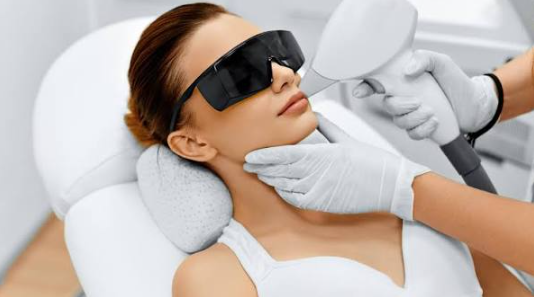

For decades, laser hair removal came with a reputation that had nothing to do with results. The results were excellent: smooth skin that stayed that way. People dreaded the process itself. “Like a rubber band snapping against your skin” became the standard description, and for anyone with a low pain threshold, that was reason enough to keep shaving, waxing and threading indefinitely.
Then the technology changed. Modern systems, led by Alma’s Soprano range, have made laser hair removal virtually painless for most people. Here’s how it works, why it feels so different, and what to expect if you’re considering it.
Why Traditional Lasers Hurt
Conventional laser hair removal fires a single, high-energy pulse into the hair follicle. The pigment in the hair absorbs the light, converts it to heat and damages the follicle. That works, but the sudden spike of heat is exactly what causes the stinging, snapping sensation.
The discomfort is worse on sensitive areas like the upper lip, bikini line and underarms. Clinics tried to compensate with cold gels and blasts of chilled air. Even so, a full session could feel more like an endurance test than a beauty treatment.
See also: Can You Coat an EPDM Roof? How Roof Coatings Can Extend the Life of EPDM Roofing Systems
The Soprano Approach: Gradual Heat Instead of a Jolt
Alma Lasers took a fundamentally different route with the Soprano ICE Platinum and refined it further in the Soprano Titanium. These systems use SHR (Super Hair Removal) technology instead of one intense pulse. SHR delivers energy in low-energy pulses at a high repetition rate. The handpiece glides continuously across the skin, a method called the “In-Motion” technique. Heat therefore builds gently and evenly in the follicle rather than arriving in one sharp burst.
At the same time, the applicator tip is actively cooled, keeping the skin’s surface comfortable throughout. Most clients describe the sensation as gentle warmth. Some feel a light tingling on more sensitive areas, but nothing like the snap of older lasers.
What’s New in the Soprano Titanium Special Edition
The latest generation, the Soprano Titanium Special Edition, builds on everything the ICE Platinum introduced:
- Upgraded ICE Plus cooling keeps treatment comfortable even at higher speeds.
- A larger 4 cm² spot size covers big areas such as legs and back far more quickly.
- Higher-speed In-Motion delivery means shorter sessions without sacrificing effectiveness.
Three Wavelengths in One Treatment
Like the ICE Platinum before it, the Titanium Special Edition combines three wavelengths in a single applicator:
- Alexandrite 755 nm: particularly effective on lighter skin tones and finer hair.
- Diode 810 nm: the classic workhorse for a wide range of skin and hair types.
- Nd:YAG 1064 nm: the safest option for darker skin tones, where other lasers risk pigmentation changes.
Combining all three means the laser reaches hair at different depths within the follicle at once. This improves results across different hair thicknesses and skin types. In the past, people with darker or tanned skin were often told laser hair removal wasn’t suitable for them. With the 1064 nm wavelength in the mix, that limitation has largely disappeared. If you’re researching options, a clinic offering painless laser hair removal with this technology is worth prioritising.
What a Session Actually Feels Like
A small area like the upper lip takes just a few minutes. Larger areas such as full legs are typically completed well within an hour. That is much faster than older machines, thanks to the larger spot size and the continuous In-Motion technique.
There’s no downtime. Skin may look slightly pink for a short while, similar to mild sun exposure, but you can return to work or normal activities straight away.
How to Prepare and Look After Your Skin
- Before: avoid waxing, threading, epilating and hair removal creams for 4–6 weeks. The laser needs the hair root to be present, so shaving is the only method to use between sessions.
- For 48 hours after: skip hot baths and showers, saunas, steam rooms and vigorous exercise.
- For one week after: avoid sun exposure. Avoid sunbeds for the whole course.
How Many Sessions Do You Need?
Hair grows in cycles, and the laser only affects follicles in the active growth phase. That’s why a course is essential, typically a minimum of 6–8 sessions spaced several weeks apart. Areas with stronger growth, such as the face and intimate areas, may need a few more. Most people notice a clear reduction after two or three sessions, with hair growing back finer and sparser between appointments.
After the initial course, an occasional maintenance session keeps results topped up. Compare that with a lifetime of monthly waxing appointments, and the maths quickly justifies itself.
Who Is It Best For?
Laser hair removal on the Soprano Titanium suits almost anyone tired of short-term hair removal. It’s particularly worthwhile if you:
- Suffer from ingrown hairs or shaving irritation
- Have sensitive skin that reacts badly to waxing
- Want to treat larger areas efficiently
- Have darker or tanned skin and were previously told lasers weren’t an option
- Have put off laser because of the pain of older technology
A Few Honest Caveats
No treatment works on absolutely everyone. Very light blonde, red, white and grey hair lacks the melanin lasers target, so results on these hair colours are limited regardless of the machine. “Virtually painless” doesn’t mean sensation-free for everyone either. Sensitivity varies, especially on the bikini line and face, but the difference compared with traditional lasers is dramatic. Most UK clinics offer treatment only to clients aged 18 and over.
Frequently Asked Questions
Is laser hair removal painful? With modern systems like the Soprano Titanium, most people feel gentle warmth rather than pain. Gradual SHR heating and continuous contact cooling make the difference.
Is laser hair removal safe for dark skin? Yes. The 1064 nm Nd:YAG wavelength allows darker and tanned skin to be treated safely.
How many sessions do I need? Usually at least 6–8, with some areas needing more, followed by occasional maintenance.
Can I wax between laser sessions? No. Waxing removes the root the laser needs to target, so shave instead.
The Bottom Line
Laser hair removal earned its painful reputation honestly, but technology has moved on. The Soprano Titanium Special Edition combines gradual SHR heating, advanced cooling and triple-wavelength delivery. It delivers the results people always wanted from laser, without the part they feared. If discomfort was the only thing holding you back, that obstacle is gone.
