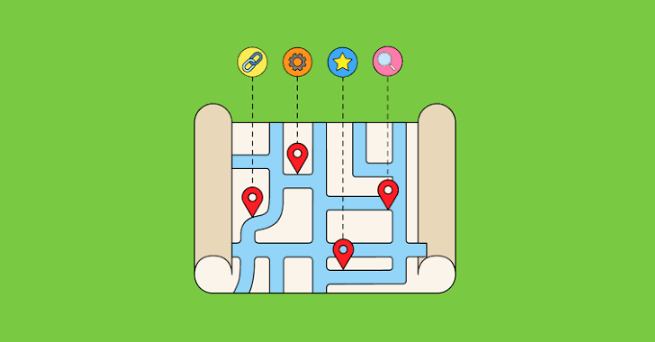

When someone searches “dentist near me” or “best pizza in Leeds”, Google shows a map with three businesses before any normal results. Getting into that map pack can bring more calls and visits than any advert. The good news is that local SEO rewards effort more than budget. This step-by-step plan shows a small business how to win more local searches in the next 90 days.
Step 1: Claim and complete your Google Business Profile
Your Google Business Profile is the single most important local ranking factor you control. Claim it, verify it and fill in every field:
- Exact business name, address and phone number.
- The most accurate primary category, plus relevant secondary categories.
- Opening hours, including holiday hours.
- A clear description of what you offer and where.
- At least ten real photos of your premises, team and work.
Post an update every week or two. Profiles that look active tend to perform better.
Step 2: Keep your details consistent everywhere
Google cross-checks your name, address and phone number (often called NAP) across the web. Make sure they match exactly on your website, social profiles and directories. Even small differences, such as “Street” versus “St.”, can create confusion.
List your business in the main directories for your country and industry, and keep a simple spreadsheet of every listing so you can update them if anything changes.
See also: Can You Coat an EPDM Roof? How Roof Coatings Can Extend the Life of EPDM Roofing Systems
Step 3: Build reviews the right way
Reviews influence both rankings and customer decisions. Ask every happy customer, at the moment they are most satisfied, and make it easy with a short link. Reply to every review, positive or negative, politely and quickly.
Never buy reviews or offer rewards for positive ones. It breaks Google’s policies and can get reviews removed or your profile suspended.
Step 4: Optimise your website for local searches
Your website needs to confirm what your profile says:
- Put your city or area in the title tag and H1 of key pages.
- Create a separate page for each main service and, if you serve several towns, a genuinely useful page for each area.
- Add your address and phone number in the footer.
- Embed a map on your contact page.
- Make sure the site loads quickly on mobile, because most local searches happen on phones.
Free tools like the SEO Stack Hub tools help you check titles, meta descriptions and page structure before you publish each local page.
Step 5: Earn local links and mentions
Links from local websites tell Google you are part of the community. Good sources include:
- Local news sites and community blogs.
- Chambers of commerce and business associations.
- Sponsorships of local events, clubs or charities.
- Suppliers and partners who can list you on their sites.
Relevant industry links help too. If you lack time for outreach, a guest posting service such as RankNewly can place articles on relevant blogs that point back to your main service pages.
Step 6: Publish content local customers actually want
Write about questions your customers ask: costs in your area, seasonal tips, local regulations or before-and-after case studies. Content like this earns trust, attracts links and helps you rank for longer local searches.
Your 90-day local SEO plan
| Weeks | Focus |
| 1 to 2 | Complete Google Business Profile, fix NAP consistency |
| 3 to 4 | Optimise homepage, service pages and contact page |
| 5 to 8 | Launch a review routine, list in key directories |
| 9 to 12 | Earn local links, publish two local guides |
Track calls, direction requests and website clicks in your Business Profile insights each month.
Learn from other local businesses
Some of the best local marketing ideas come from other small business owners. Business publications such as BusinessToMark share practical growth stories and marketing tips that are easy to adapt to a local shop or service business.
Frequently asked questions
How long does local SEO take? Many businesses see changes in four to eight weeks, with stronger results after three to six months.
Do I need a physical address? Service-area businesses can hide their address on Google but still need a real location to verify the profile.
Are reviews more important than links for local SEO? Both matter. Reviews strongly influence the map pack, while links and content help both the map and normal results.
Final thoughts
Local SEO is one of the fastest ways for a small business to win new customers. Complete your profile, keep your details consistent, collect genuine reviews, optimise your website and earn local links. Follow the 90-day plan and you give your business a real chance to appear when nearby customers are ready to buy.