Newsletter Subscribe
Enter your email address below and subscribe to our newsletter
Enter your email address below and subscribe to our newsletter

 ByJohn A
Automotive paint shops consume a significant amount of energy every day. Large ventilation systems, controlled temperatures, and continuous airflow are necessary to maintain paint quality and worker safety. This process creates substantial heat loss through exhaust air, which increases operational costs and energy consumption. Modern manufacturing facilities are now focusing on energy efficient technologies to reduce waste and improve sustainability. One of the most effective solutions is the use of paint shop heat recovery rotors.
Paint shop heat recovery systems are designed to recover thermal energy from exhaust air and transfer it to incoming fresh air. This process improves HVAC efficiency while lowering energy demand. Heat recovery technologies also support sustainability goals by reducing carbon emissions and minimizing energy waste. In automotive manufacturing facilities, these systems help create stable indoor conditions while maintaining production quality.
Paint shops require strict environmental control for proper coating and finishing operations. High air exchange rates are necessary to remove contaminants, regulate humidity, and maintain temperature stability. During this process, large amounts of conditioned air are exhausted outside the facility. Without energy recovery systems, this thermal energy is completely wasted.
Several factors contribute to energy loss in automotive paint shops:
These energy losses increase operating costs and place additional pressure on HVAC systems. Heat recovery rotors help manufacturers capture reusable thermal energy from exhaust air before it leaves the facility.
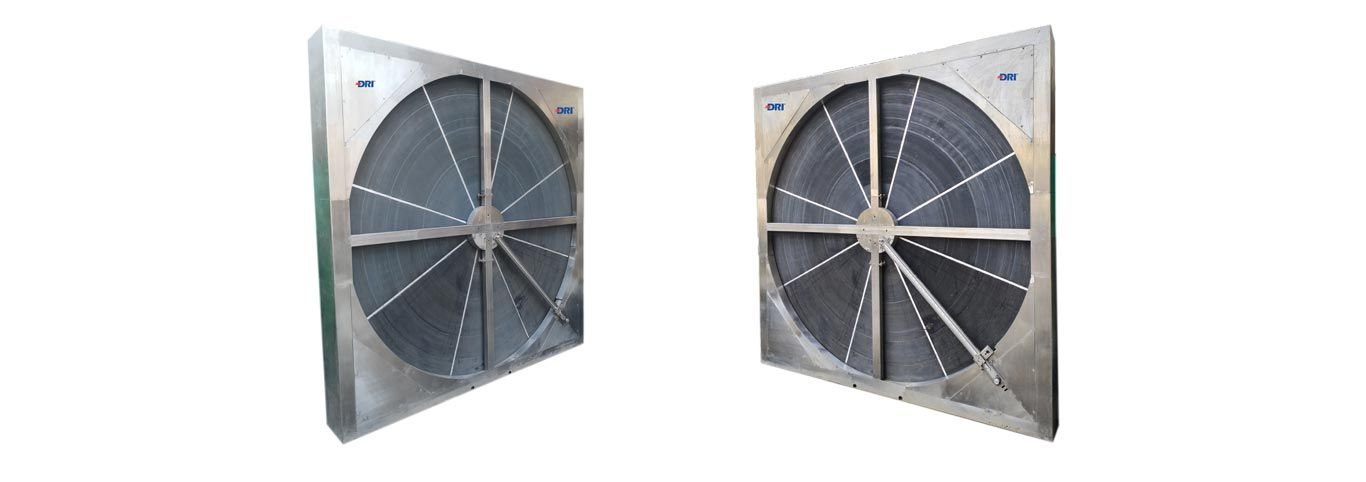
Paint shop heat recovery rotors are advanced rotary heat exchangers designed to recover heat from exhaust air streams. These systems rotate between supply and exhaust air channels to transfer thermal energy efficiently. The recovered heat is then used to precondition incoming fresh air.
Key features of heat recovery rotors include:
The technology helps facilities maintain stable indoor temperatures while reducing energy consumption. It also supports better control of paint booth environments, which is essential for coating quality and process consistency.
Energy efficiency is one of the primary advantages of heat recovery rotors in automotive manufacturing. These systems reduce the amount of heating or cooling required to condition incoming air. Instead of wasting thermal energy, facilities can reuse it within the ventilation process.
The main ways these systems improve efficiency include:
Efficient heat transfer directly reduces energy costs while improving operational performance. Manufacturers can maintain required airflow levels without excessive heating or cooling demand. This results in lower utility expenses and improved process efficiency.
In many facilities, heat recovery technologies are also integrated with advanced air treatment solutions such as evaporative cooling pad systems. These technologies further improve cooling efficiency and support energy optimization in industrial HVAC applications.
Heat recovery systems provide several operational and environmental benefits for automotive manufacturing facilities. These systems help organizations achieve sustainability targets while improving process reliability and indoor air quality.
Major benefits include:
Energy recovery systems also improve temperature consistency inside paint booths. Stable environmental conditions help maintain coating quality and reduce production interruptions. Improved airflow control further enhances worker comfort and ventilation effectiveness.
Another important advantage is reduced stress on HVAC equipment. Lower energy demand helps extend equipment lifespan and decreases maintenance requirements. This contributes to long term operational savings and better system reliability.
Automotive paint shops generate volatile organic compounds during coating and finishing processes. Proper ventilation is necessary to remove these emissions and maintain safe indoor conditions. However, exhausting contaminated air also results in significant thermal energy loss.
VOC heat recovery systems help address this challenge by recovering usable heat before exhaust air leaves the facility. These systems improve energy efficiency without compromising air quality or safety standards.
Important functions of VOC heat recovery systems include:
Industrial exhaust heat recovery also helps facilities meet energy efficiency goals and sustainability regulations. As environmental standards continue to evolve, manufacturers are increasingly investing in advanced recovery technologies to improve operational performance.
Paint shop heat recovery systems are widely used across different industrial sectors where controlled ventilation and thermal management are essential. These systems are especially valuable in facilities with continuous production operations and large air handling requirements.
Common applications include:
The flexibility of heat recovery rotors allows them to integrate with various ventilation configurations. Facilities can customize system capacity and airflow performance based on operational requirements. This adaptability makes them suitable for both new installations and retrofit projects.
Modern industrial HVAC systems may also combine energy recovery technologies with passive dehumidification solutions. Proper humidity control improves process stability and enhances indoor environmental quality in manufacturing environments.
Selecting the right heat recovery system is essential for achieving optimal performance and energy savings. Several technical and operational factors should be evaluated before installation.
Important considerations include:
The quality of rotor construction directly affects system lifespan and efficiency. Durable materials help maintain consistent performance in demanding industrial environments. Facilities should also consider maintenance accessibility to minimize downtime and operational interruptions.
Another important factor is integration with existing ventilation infrastructure. Proper system design ensures balanced airflow, efficient heat transfer, and improved HVAC performance across the entire facility.
Energy efficiency and sustainability are now major priorities for industrial manufacturers. Rising energy costs and stricter environmental regulations are encouraging facilities to adopt advanced HVAC technologies. Heat recovery systems help organizations improve operational efficiency while reducing environmental impact.
Several industry trends are driving investment in energy recovery technologies:
Automotive facilities are under increasing pressure to optimize energy usage while maintaining production quality. Heat recovery rotors provide an effective solution by reducing waste and improving ventilation efficiency. These systems also support long term sustainability planning and operational resilience.
Advanced energy recovery technologies contribute to cleaner manufacturing environments and more efficient industrial processes. As industries continue to prioritize energy optimization, heat recovery systems will remain an essential part of modern HVAC infrastructure.
DRI Rotors specializes in advanced heat recovery and industrial HVAC technologies designed for energy efficient manufacturing environments. The company focuses on delivering high performance systems that improve ventilation efficiency, reduce energy loss, and support sustainable industrial operations.
DRI Rotors solutions are designed to provide:
Their expertise in industrial air treatment and energy recovery technologies helps manufacturers improve HVAC efficiency and environmental performance. Organizations looking for advanced paint shop ventilation solutions can contact Desiccant Rotors International for customized support and technical guidance.
Paint shop heat recovery rotors play a critical role in improving energy efficiency within automotive manufacturing facilities. These systems recover valuable thermal energy from exhaust air and reduce the overall load on HVAC systems. By lowering energy consumption and improving ventilation performance, heat recovery technologies help manufacturers achieve both operational and sustainability goals.
Modern industrial facilities require efficient environmental control systems to maintain production quality and reduce operating costs. Heat recovery rotors provide a practical solution for managing heat loss, improving indoor air quality, and supporting green manufacturing initiatives. As energy efficiency becomes increasingly important across industrial sectors, these systems continue to offer long term value and operational benefits.
Paint shop heat recovery rotors are rotary heat exchangers that recover thermal energy from exhaust air and transfer it to incoming fresh air in industrial ventilation systems.
These systems reduce the amount of heating and cooling required for incoming air, which lowers HVAC energy consumption and improves operational efficiency.
Automotive paint shops require continuous ventilation and temperature control. Heat recovery systems reduce energy waste while maintaining stable indoor conditions.
Yes. Heat recovery technologies reduce carbon emissions, lower energy consumption, and support sustainable manufacturing practices.
Important factors include thermal efficiency, airflow capacity, rotor durability, maintenance requirements, and compatibility with existing HVAC systems.